
01

Banff in November

Book Banff

Book Banff National Park Adventures and Attractions. Banff National Park's towering peaks and beautiful meadows make it among Canada's most incredible holiday areas. Plan your Canadian Rockies vacation and Book Banff's most popular attractions.
Book Banff National Park Book Banff
Banff National Park Wildlife

02

Banff National Park

Columbia Icefield Tour & Glacier Skywalk

Columbia Icefield Tour including the Glacier Skywalk from Icefield Glacier Discovery Centre. Discover the awe-inspiring mountain scenery and massive glaciers of Alberta's Rocky Mountain region on this Columbia Icefields tour.
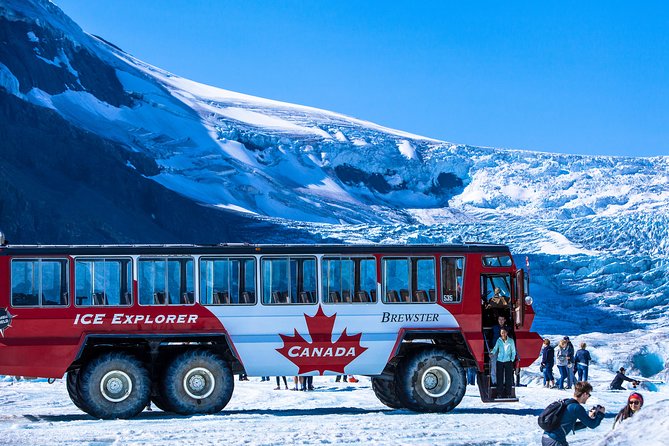
Jasper Columbia Icefield Tour & Glacier Skywalk
Book Glacier Skywalk and Athabasca Glacier Tour Jasper Columbia Icefield Home
Jasper Wildlife Tour Videos

03

Banff in November

Banff Gondola Ride Admission

The Popular Banff Gondola provides visitors with an amazing scenic ride to the summit of Sulphur Mountain, offering panoramic views of the Canadian Rockies and the Bow Valley.
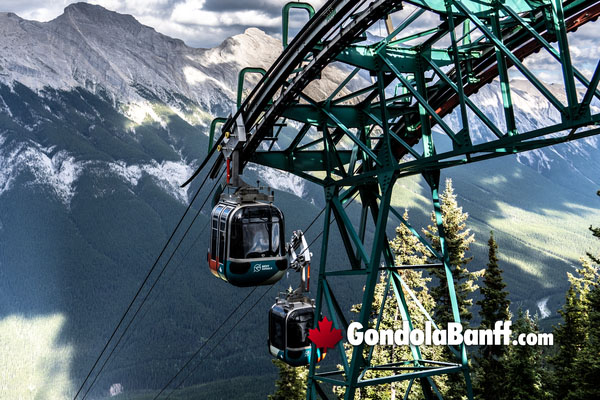
Banff Gondola at Sulphur Mountain
*Purchasing Gondola Tickets in Advance is Recommended. Book the Banff Gondola Banff Gondola Home
Banff National Park Wildlife

November in Banff National Park

November in Banff is late shoulder season, bridging fall and early winter. The atmosphere is quiet and unhurried, with a noticeable shift toward winter recreation.


Things to Do in Banff in November

November in Banff is late shoulder season, bridging fall and early winter. Snow increasingly settles in the valley, daylight hours shorten significantly, and visitor numbers drop to some of the lowest levels of the year. The atmosphere is quiet and unhurried, with a noticeable shift toward winter recreation. Conditions can vary widely-mild and dry one week, fully winter the next-so flexibility is important.

Banff Early Winter Hiking & November Snowshoeing

Lower-elevation trails such as Tunnel Mountain and the Bow River pathways remain accessible, though snow and ice are common. Microspikes are often useful for traction. As snow accumulation increases through the month, snowshoeing becomes viable on forested trails and around lake areas.
Wildlife remains active, though bear activity declines as animals move toward denning. Elk and deer are still frequently seen near townsite corridors.

Banff's Ski Season Begins in November

November marks the start of ski season, depending on snowfall and operational timelines.
Banff Sunshine Village typically opens earlier than other regional resorts due to its high elevation and early snow accumulation.
Lake Louise Ski Resort generally begins operations in mid-to-late November, conditions permitting.
Early season skiing often features limited terrain, but fewer crowds and developing snowpack can provide rewarding first turns of the season.

Banff Gondola & November Mountain Views

The Banff Gondola continues operating through much of November. Snow-dusted forests and frozen river corridors become more prominent from the summit of Sulphur Mountain. Clear days offer sharp winter visibility, while stormy days create dramatic alpine cloud movement.
Boardwalk surfaces may be snow-covered, so winter footwear is recommended.

Banff Lakes & Frozen November Landscapes

November initiates the freezing process across many lakes.
Lake Louise often begins forming shoreline ice, with full freeze typically occurring later in the season depending on temperatures.
Lake Minnewanka transitions toward a quiet, pre-winter state, with minimal traffic and stark mountain backdrops. Early ice patterns create unique photographic opportunities.
Ice conditions are unstable during this transitional period and should never be assumed safe for walking.

Scenic November Drives & Banff Road Conditions

Driving the Icefields Parkway in November requires winter preparation. Snowfall and icy sections are common, particularly at elevation. Traffic volume is lower than summer, offering open viewpoints and quiet roadside stops when conditions are favorable.
Winter tires are strongly recommended.

Banff Hot Springs & November Indoor Experiences

As temperatures fall below freezing more consistently, the Banff Upper Hot Springs becomes particularly appealing. Steam rising from the mineral pool against cold mountain air defines the early winter atmosphere.
Museums, galleries, and restaurants operate at a relaxed pace, making November ideal for visitors seeking a quieter cultural experience without peak-season congestion.

Practical Considerations

Expect rapid weather changes and early winter storms.
Daylight hours are short; plan outdoor activities accordingly.
Winter footwear and traction devices are often necessary.
Some seasonal tours and attractions may be closed or operating on reduced schedules.

November in Banff offers a subdued, atmospheric transition into winter - early ski turns, frozen lake beginnings, and quiet mountain streets-suited for visitors who appreciate solitude and the gradual arrival of snow season.

Banff Gondola During November

The Banff Gondola in November offers an unforgettable introduction to winter in the Canadian Rockies. Snow-covered mountain scenery, peaceful summit walks, panoramic viewpoints, engaging interpretive experiences, warm dining with spectacular views, and outstanding photography opportunities combine to create one of Banff National Park's most memorable cold-weather experiences.
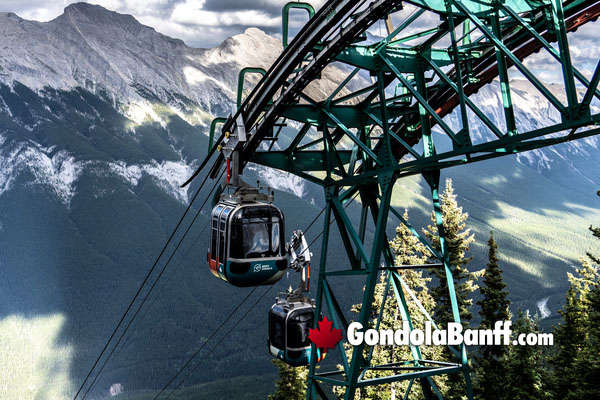
Banff Gondola During November

Banff Gondola During November

November is one of the most magical times to experience the Banff Gondola as Sulphur Mountain transforms into a true winter destination. Fresh snow blankets the surrounding forests and mountain peaks, creating spectacular panoramic views over Banff, the Bow Valley, and the surrounding Canadian Rockies. The quieter season allows visitors to enjoy the summit at a relaxed pace while experiencing the beauty of the mountains before the busy holiday period begins.

The eight-minute gondola ride provides breathtaking views from the moment the cabins leave the lower terminal. As the gondola climbs through snow-covered forests, the scenery continually changes, revealing Mount Rundle, Cascade Mountain, Tunnel Mountain, Vermilion Lakes, and the town of Banff far below. The higher the gondola ascends, the more dramatic the winter landscape becomes.

At the summit, visitors are greeted with expansive viewing terraces and observation decks offering spectacular 360-degree mountain vistas. November's crisp, dry air often provides exceptional visibility, allowing distant mountain ranges to stretch across the horizon. Fresh snowfall adds brilliant contrast to the evergreen forests and rugged limestone peaks surrounding Sulphur Mountain.

The famous boardwalk leading to Sanson's Peak becomes an unforgettable winter walk during November. Snow-covered pathways, peaceful alpine scenery, and incredible viewpoints create a memorable experience for visitors. Depending on weather conditions, sections of the boardwalk may be snow-covered or icy, making sturdy winter footwear highly recommended.

Inside the summit complex, visitors can explore interactive interpretive exhibits that tell the story of the mountains, wildlife, geology, Indigenous history, and the natural environment of Banff National Park. These exhibits provide an engaging indoor activity while offering a chance to warm up between visits to the outdoor viewing areas.

November is also an excellent time to enjoy the summit's dining options. Large windows throughout the restaurants and cafés frame beautiful winter mountain scenery while guests enjoy warm meals, specialty coffees, or hot beverages. Dining with panoramic views of snow-covered peaks creates a memorable mountain experience regardless of the weather outside.

Photography during November is exceptional. Snow-covered trees, dramatic mountain ridges, colourful winter sunsets, and crystal-clear skies provide endless opportunities for capturing iconic Canadian Rockies landscapes. Morning light often creates brilliant reflections across the Bow Valley, while late afternoon and sunset cast warm colours across the surrounding peaks.

Wildlife remains active throughout the Bow Valley during November. Elk, deer, bighorn sheep, and a variety of birds are commonly seen around Banff, while wolves, coyotes, and other wildlife continue moving through the surrounding forests. Although bears have largely entered their winter dens by this time, visitors should always remain aware of wildlife when exploring outdoor areas.

Weather at the summit is considerably colder than in the town of Banff. Snowfall, freezing temperatures, and strong mountain winds are common throughout November, so visitors should dress in warm layers with insulated jackets, hats, gloves, and winter footwear to remain comfortable while exploring the outdoor viewing areas.

The Banff Gondola in November offers an unforgettable introduction to winter in the Canadian Rockies. Snow-covered mountain scenery, peaceful summit walks, panoramic viewpoints, engaging interpretive experiences, warm dining with spectacular views, and outstanding photography opportunities combine to create one of Banff National Park's most memorable cold-weather experiences. Banff Gondola

Jasper Columbia Icefields in November

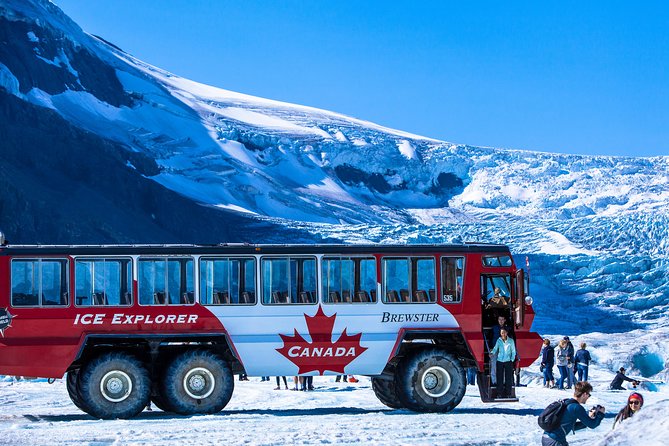
The Columbia Icefield in November offers an unforgettable introduction to winter in the Canadian Rockies. Ancient glaciers, snow-covered mountain peaks, peaceful alpine landscapes, exceptional photography opportunities, and the incredible beauty of one of North America's great icefields combine to create a truly memorable mountain experience.
Jasper Columbia Icefields in November

Jasper Columbia Icefields in November

November transforms the Columbia Icefield into a true winter landscape. Vast glaciers, snow-covered peaks, frozen valleys, and crisp alpine air create one of the most dramatic mountain environments in the Canadian Rockies. With the busy summer season over, visitors experience a quieter and more peaceful atmosphere while surrounded by some of Canada's most spectacular alpine scenery.

The Athabasca Glacier becomes even more striking as fresh snow blends seamlessly with the ancient ice, making the glacier appear larger and brighter against the surrounding mountain ranges. From the Columbia Icefield Centre and nearby viewpoints, visitors can appreciate the immense scale of this ancient icefield, which feeds several major river systems flowing across North America.

November offers exceptional opportunities for sightseeing and photography. Snow blankets the surrounding mountains, while clear winter skies often provide incredible visibility across the glaciers and rugged alpine landscape. Sunrise and sunset produce beautiful light on the icefields, while passing clouds and fresh snowfall create constantly changing scenery.

The Columbia Icefield Centre remains one of the best places to learn about the region's fascinating natural history. Visitors can explore exhibits explaining the formation of glaciers, climate, geology, early explorers, and the importance of the Columbia Icefield as one of the largest accumulations of ice south of the Arctic Circle. Large viewing windows also provide spectacular views of the Athabasca Glacier.

Many of the summer attractions conclude operations before November. Experiences such as the Ice Explorer glacier tours, Columbia Icefield Skywalk, and other seasonal outdoor activities are generally unavailable during this period as the region transitions into full winter conditions. Despite these seasonal closures, the surrounding scenery remains one of the highlights of any drive through the Canadian Rockies.

The drive along the Icefields Parkway in November is an unforgettable experience. Snow-covered forests, frozen rivers, waterfalls, and towering mountain peaks create breathtaking scenery throughout the journey. Every viewpoint offers a different perspective of the surrounding wilderness, making the drive itself one of the main attractions.

Wildlife continues to inhabit the surrounding valleys during November. Bighorn sheep, mountain goats, elk, deer, wolves, foxes, and a variety of winter birds may be seen throughout the region. Bears have generally entered their winter dens by this time, although visitors should always remain aware of wildlife while travelling.

November weather in the Columbia Icefield region is fully winter-like. Temperatures are often well below freezing, and snowfall, strong winds, blowing snow, and icy conditions are common. Warm winter clothing, insulated boots, gloves, hats, and layered outerwear are essential for anyone spending time outdoors.

Road conditions along the Icefields Parkway can change quickly during November. Winter tires, extra travel time, and emergency supplies are strongly recommended, as snowstorms and icy sections may develop with little warning. Checking weather and road conditions before travelling helps ensure a safer journey through this remote mountain corridor.

The Columbia Icefield in November offers an unforgettable introduction to winter in the Canadian Rockies. Ancient glaciers, snow-covered mountain peaks, peaceful alpine landscapes, exceptional photography opportunities, and the incredible beauty of one of North America's great icefields combine to create a truly memorable mountain experience. Jasper Columbia Icefields

Columbia Icefields Glacier Skywalk During November

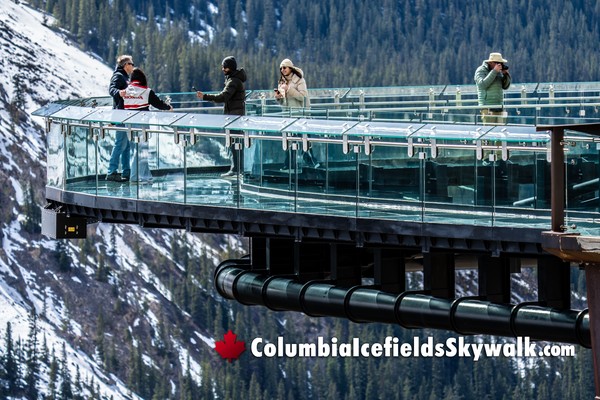
The Columbia Icefield Skywalk in November is best understood as a closed seasonal attraction surrounded by spectacular winter scenery. While visitors cannot normally step onto the glass platform, the journey through the Columbia Icefield region can still provide snow-covered mountain views, peaceful landscapes, dramatic photography, and an unforgettable sense of the Canadian Rockies in winter.
Columbia Icefields Glacier Skywalk During November

Columbia Icefields Glacier Skywalk During November

The Columbia Icefield Skywalk is generally closed during November because its seasonal operating period has ended and full winter conditions have arrived along the Icefields Parkway. Visitors cannot normally access the glass-floored platform, interpretive walkway, or shuttle service during this time of year.

Although the attraction itself is unavailable, the surrounding area remains exceptionally dramatic. Fresh snow covers the Sunwapta Valley, mountain ridges, rocky cliffs, and distant glaciers, creating a vast winter landscape that can still be appreciated from designated roadside viewpoints along the Icefields Parkway.

The Skywalk extends from the mountainside above the valley, with its curved glass platform suspended high above the rugged terrain. During the operating season, it provides views of waterfalls, glacier-carved valleys, mountain peaks, and the valley floor below. In November, however, snow, ice, wind, and extreme temperatures make public access unsuitable.

Travellers should not attempt to walk toward the closed attraction or access restricted areas. The Skywalk is reached through an organized shuttle system during its operating season rather than directly from the highway. Closed gates and restricted access protect visitors from dangerous winter conditions and help preserve the surrounding environment.

November weather in this part of Jasper National Park can be severe. Heavy snowfall, strong winds, blowing snow, freezing temperatures, and limited visibility are all possible. Because the Skywalk sits in an exposed alpine location, conditions can be considerably colder and more intense than in nearby valleys or communities.

The surrounding drive can still offer excellent photography opportunities. Snow-covered cliffs, frozen waterfalls, dramatic clouds, and distant mountain peaks create powerful winter compositions. Changing light across the Sunwapta Valley can make the landscape appear especially striking during clear mornings and late afternoons.

Visitors travelling through the area may combine the journey with roadside stops near the Athabasca Glacier, Tangle Creek Falls, Sunwapta Falls, Athabasca Falls, and other viewpoints along the Icefields Parkway. Many seasonal buildings and services may be closed, so travellers should plan carefully and carry everything required for the drive.

Road conditions are an important consideration in November. The Icefields Parkway is remote, and winter storms can create packed snow, ice, drifting snow, and reduced visibility. Winter tires, emergency supplies, warm clothing, extra food, and a well-prepared vehicle are essential for travelling through the region.

Wildlife may still be encountered along the highway and in nearby valleys. Bighorn sheep, mountain goats, elk, deer, coyotes, and winter birds may appear near the roadway. Drivers should reduce their speed, remain alert, and give all wildlife plenty of space.

The Columbia Icefield Skywalk in November is best understood as a closed seasonal attraction surrounded by spectacular winter scenery. While visitors cannot normally step onto the glass platform, the journey through the Columbia Icefield region can still provide snow-covered mountain views, peaceful landscapes, dramatic photography, and an unforgettable sense of the Canadian Rockies in winter. Columbia Icefields Glacier Skywalk

Golden Skybridge in November

Golden Skybridge in November is best approached as a seasonal attraction surrounded by impressive early winter scenery. The bridges and adventure activities may be unavailable, but the Golden area continues to offer snow-covered mountains, peaceful forests, dramatic canyon landscapes, and a quieter Canadian Rockies experience.
Golden Skybridge in November

Golden Skybridge in November

Golden Skybridge in November offers a quieter look at the mountain landscape as autumn gives way to winter in Golden, British Columbia. Snow often begins covering the surrounding peaks, canyon walls, forest trails, and attraction areas, creating a dramatic seasonal setting beneath the Purcell and Rocky Mountains.

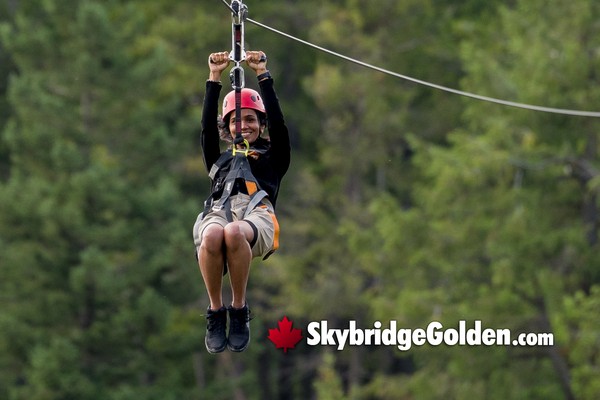
The attraction is generally seasonal, and many of its main experiences may be closed or operating on a limited schedule during November. The suspension bridges, canyon trails, Railrider Mountain Coaster, zipline, Canyon Swing, ropes course, axe throwing, climbing wall, and family activity areas should not be assumed to be available at this time of year.

When accessible during its operating season, the Golden Skybridge is known for its two suspension bridges stretching across a deep mountain canyon. These elevated crossings provide expansive views of rugged cliffs, waterfalls, forested slopes, and distant mountain ranges. In November, snow and frost can make the scenery especially striking, although they can also create slippery and unsuitable walking conditions.

The canyon itself remains one of the defining features of the experience. Rocky Mountain Falls descends through the forest below the bridges, while the surrounding ridgelines frame the valley with dramatic alpine scenery. Fresh snowfall can transform the canyon into a peaceful winter landscape filled with white-covered trees and dark exposed rock.

November weather in Golden can change quickly. Cold temperatures, snow, freezing rain, strong winds, and icy surfaces are possible throughout the month. Elevated bridges and exposed platforms may feel significantly colder than lower areas because of canyon winds and limited protection from the weather.

Visitors planning a November trip should confirm the attraction’s operating schedule before travelling. Seasonal closures may affect parking access, ticketing, food service, washrooms, the gift shop, and individual activities. Even when part of the property is open, weather conditions may lead to temporary closures or reduced operations.

The area can still provide excellent mountain photography. Snow-covered peaks, mist in the canyon, frosted evergreen trees, and changing late-autumn light create atmospheric views around Golden. Clear days may reveal broad mountain panoramas, while light snowfall can give the landscape a quieter and more intimate character.

The town of Golden also offers additional November activities when the Skybridge is closed. Visitors can explore local restaurants and shops, enjoy scenic drives, watch for wildlife, or use Golden as a base for discovering nearby mountain valleys and early winter scenery.

Wildlife may remain active around the region during November. Deer, elk, bighorn sheep, coyotes, and a variety of birds may be seen near forest edges and roadways. Drivers should remain alert, especially during the early morning and evening when animals are more likely to move through the area.

Golden Skybridge in November is best approached as a seasonal attraction surrounded by impressive early winter scenery. The bridges and adventure activities may be unavailable, but the Golden area continues to offer snow-covered mountains, peaceful forests, dramatic canyon landscapes, and a quieter Canadian Rockies experience. Golden Skybridge

Banff Lake Minnewanka Boat Cruise in November

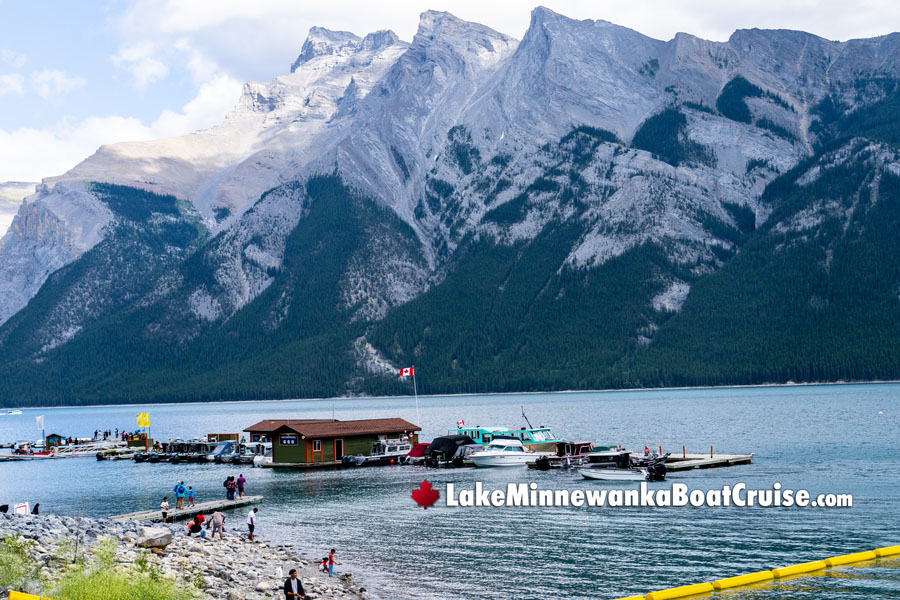
While the Lake Minnewanka Boat Cruise is not available in November, the lake itself remains an outstanding destination. Its peaceful atmosphere, snow-covered mountain scenery, abundant wildlife, and exceptional photographic opportunities make it one of Banff National Park's most beautiful places to experience the transition from autumn into winter.
Lake Minnewanka Boat Cruise in November

Banff Lake Minnewanka Boat Cruise in November

The Lake Minnewanka Boat Cruise is generally not operating in November, as the sightseeing season concludes before winter arrives in Banff National Park. By this time of year, cold temperatures, shorter daylight hours, and changing lake conditions make regular boat operations impractical. While visitors cannot experience the cruise itself, Lake Minnewanka remains one of Banff's most beautiful destinations throughout the late autumn and early winter months.

November brings a peaceful atmosphere to the lake. The large summer crowds have disappeared, allowing visitors to enjoy the shoreline in relative solitude. Snow-covered mountain peaks, frosted forests, and calm waters create a serene setting that feels completely different from the busy summer season.

The lake often begins its gradual transition toward winter. While the water usually remains open for much of November, cold temperatures and early snowfall create a striking contrast between the deep blue lake and the surrounding white mountain landscape. As winter progresses, ice gradually begins forming along sheltered shorelines and shallow areas.

Although the boat cruise is unavailable, the lakeshore still offers spectacular panoramic views. Cascade Mountain, Mount Inglismaldie, Mount Girouard, and the surrounding mountain ranges frame the enormous lake, creating one of Banff National Park's most dramatic landscapes. The crisp autumn air often provides exceptional visibility across the valley.

November is an excellent time for photography. Snow-dusted peaks, colourful sunrise and sunset skies, drifting clouds, and occasional mist over the water create memorable images throughout the day. The lower visitor numbers also make it much easier to capture unobstructed views along the shoreline.

Wildlife remains active around Lake Minnewanka during November. Bighorn sheep, deer, elk, coyotes, foxes, and a variety of birds are frequently seen throughout the area. While most bears have entered their winter dens by late November, visitors should continue to stay aware of wildlife and give animals plenty of space.

The lakeside walking areas remain enjoyable for visitors looking to experience the quiet beauty of Banff National Park. Short shoreline strolls provide wonderful opportunities to appreciate the mountain scenery, fresh alpine air, and peaceful surroundings. Depending on weather conditions, trails may become snow-covered or icy, making sturdy winter footwear a good choice.

Weather conditions can change rapidly throughout November. Sunny mornings may give way to snowfall, freezing temperatures, or strong winds sweeping across the lake. Dressing in warm layers with insulated jackets, gloves, hats, and waterproof footwear helps ensure a comfortable visit.

Lake Minnewanka is also an excellent stop while exploring other nearby Banff attractions during November. Many visitors combine the lake with scenic drives, viewpoints, wildlife watching, and visits to other mountain destinations throughout the Bow Valley, creating a rewarding day of sightseeing despite the seasonal closure of the boat cruise.

While the Lake Minnewanka Boat Cruise is not available in November, the lake itself remains an outstanding destination. Its peaceful atmosphere, snow-covered mountain scenery, abundant wildlife, and exceptional photographic opportunities make it one of Banff National Park's most beautiful places to experience the transition from autumn into winter. Banff Lake Minnewanka Boat Cruise

Jasper SkyTram in November

Although the Jasper SkyTram is not operating in November, Jasper National Park continues to offer an unforgettable mountain experience. Snow-covered peaks, tranquil forests, abundant wildlife, exceptional photography, and the peaceful beauty of early winter make November a wonderful time to discover this remarkable corner of the Canadian Rockies.
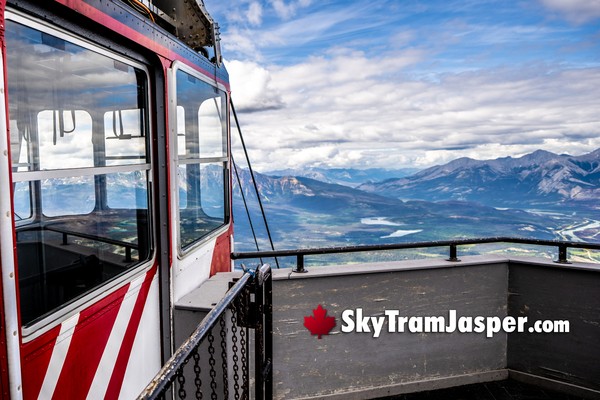
Jasper SkyTram Opens in November

Jasper SkyTram in November

The Jasper SkyTram is generally closed throughout November as it transitions between the busy summer season and the arrival of winter in Jasper National Park. During this period, the tramway undergoes seasonal shutdowns and maintenance while Whistlers Mountain becomes covered in snow and alpine winter conditions take hold. Although the tram is not operating, the surrounding landscapes remain breathtaking.

November transforms the mountains around Jasper into a beautiful winter scene. Fresh snow blankets Whistlers Mountain, Pyramid Mountain, the Victoria Cross Ranges, and the surrounding valleys. The crisp mountain air, frosted forests, and snow-covered peaks create a spectacular backdrop for anyone exploring the Jasper area.

While visitors cannot ride the aerial tramway to the summit, they can still enjoy numerous scenic viewpoints throughout Jasper National Park. The townsite, Athabasca River Valley, nearby lakes, and mountain overlooks provide excellent opportunities to experience the region's natural beauty during the quieter shoulder season.

The upper terminal, Summit Café, gift shop, and summit hiking trails are not accessible while the SkyTram is closed. High-elevation conditions on Whistlers Mountain become increasingly harsh in November, with deep snow, ice, strong winds, and freezing temperatures making regular visitor operations impractical.

November offers outstanding opportunities for winter photography around Jasper. Snow-covered mountain peaks, frozen rivers, morning frost, and dramatic skies create incredible landscapes throughout the park. Early morning and late afternoon light often produce rich colours that highlight the rugged beauty of the Canadian Rockies.

Wildlife remains active throughout the Jasper area during November. Elk are commonly seen near the townsite, while deer, bighorn sheep, mountain goats, coyotes, wolves, foxes, and a variety of birds continue to inhabit the surrounding valleys. Most bears have entered their winter dens by late November, although visitors should always remain aware of wildlife while exploring.

Weather during November can change rapidly. Temperatures frequently fall below freezing, and snowfall is common both in the valley and at higher elevations. Roads, sidewalks, and trails may become icy, so warm layered clothing, insulated boots, gloves, hats, and winter jackets are recommended.

Even with the SkyTram closed, November is an excellent time to explore Jasper National Park. Attractions such as Athabasca Falls, Maligne Canyon, Pyramid Lake, Patricia Lake, Medicine Lake, and numerous scenic viewpoints remain popular destinations, offering peaceful winter landscapes without the crowds of the summer months.

The quieter atmosphere is one of November's greatest advantages. Visitors can enjoy uncrowded viewpoints, peaceful walks, and uninterrupted mountain scenery while experiencing the first true signs of winter across the national park.

Although the Jasper SkyTram is not operating in November, Jasper National Park continues to offer an unforgettable mountain experience. Snow-covered peaks, tranquil forests, abundant wildlife, exceptional photography, and the peaceful beauty of early winter make November a wonderful time to discover this remarkable corner of the Canadian Rockies. Jasper SkyTram

Maligne Lake Boat Cruise During November

While the Maligne Lake Boat Cruise is unavailable in November, the lake remains one of Jasper National Park's most spectacular destinations. Its quiet atmosphere, snow-covered landscapes, pristine wilderness, abundant wildlife, and breathtaking mountain scenery provide a memorable introduction to winter in the Canadian Rockies.
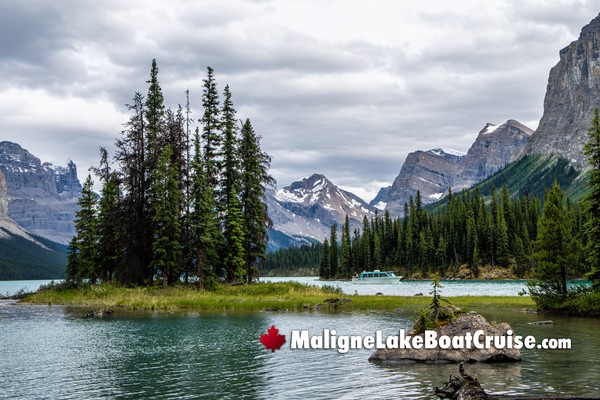
Maligne Lake Boat Cruise During November

Maligne Lake Boat Cruise During November

The Maligne Lake Boat Cruise is generally not operating in November, as the sightseeing season ends before winter arrives in Jasper National Park. Cold temperatures, shorter days, and changing lake conditions bring regular cruise operations to a close. Although visitors cannot take the famous journey to Spirit Island during this time, Maligne Lake remains one of the most beautiful places to experience the quiet arrival of winter.

November transforms Maligne Lake into a peaceful alpine landscape. Snow begins covering the surrounding mountain peaks, evergreen forests, and shoreline, creating a stunning contrast against the dark blue waters of the lake. The absence of summer crowds allows visitors to enjoy the remarkable scenery in near silence.

The lake itself often remains largely ice-free during early November, although thin ice may begin forming along sheltered bays and shorelines as temperatures continue to fall. By later in the month, winter conditions become increasingly established, and snowfall can dramatically change the appearance of the entire valley.

Although the boat cruise to Spirit Island is unavailable, the shoreline near the day-use area provides spectacular mountain views. Visitors can admire the towering peaks surrounding the lake, breathe in the crisp alpine air, and experience one of the quietest times of year in Jasper National Park.

Spirit Island remains inaccessible during November because the boat cruise is not operating. The famous island sits deep within Maligne Lake, surrounded by snow-covered mountain ranges that become increasingly isolated as winter approaches. Its peaceful setting continues to symbolize the untouched wilderness of the Canadian Rockies, even when it cannot be visited.

November is an exceptional month for photography around Maligne Lake. Snow-covered forests, frost along the shoreline, dramatic cloud formations, and reflections on calm water create beautiful images throughout the day. The soft winter light often enhances the colours of the surrounding mountains and gives the landscape a peaceful atmosphere.

Wildlife continues to inhabit the Maligne Valley during November. Elk, mule deer, moose, bighorn sheep, coyotes, wolves, foxes, and a variety of birds may be seen along the drive to the lake or near the shoreline. Most bears have entered their winter dens by this stage of the season, although visitors should always remain aware of wildlife.

Weather conditions can be challenging during November. Snowfall, freezing temperatures, icy roads, and changing weather are all common. Warm layered clothing, insulated footwear, gloves, hats, and winter driving preparation are important for anyone visiting this remote mountain area.

The scenic drive along Maligne Lake Road is still one of the highlights of a November visit. Snow-covered forests, frozen creeks, wildlife viewing opportunities, and dramatic mountain scenery make the journey almost as memorable as the destination itself, offering countless opportunities to stop and appreciate the changing season.

While the Maligne Lake Boat Cruise is unavailable in November, the lake remains one of Jasper National Park's most spectacular destinations. Its quiet atmosphere, snow-covered landscapes, pristine wilderness, abundant wildlife, and breathtaking mountain scenery provide a memorable introduction to winter in the Canadian Rockies. Maligne Lake Boat Cruise

November at Abraham Lake

Abraham Lake in November offers an unforgettable introduction to winter in the Canadian Rockies. Snow-covered mountains, peaceful landscapes, exceptional photography opportunities, abundant wildlife, and the anticipation of the lake's famous winter ice combine to create one of Alberta's most spectacular cold-season destinations.
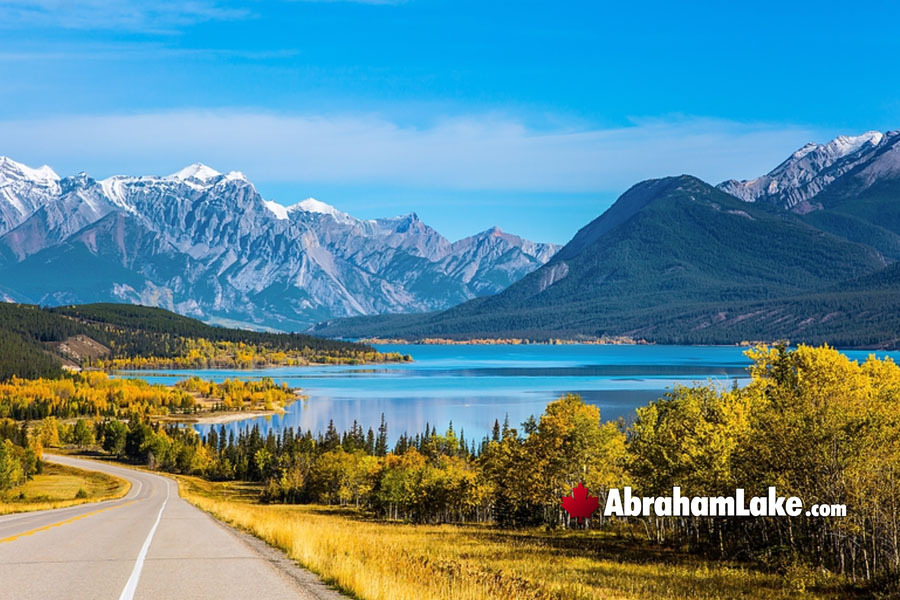
November at Abraham Lake

November at Abraham Lake

November marks the beginning of winter at Abraham Lake, transforming this stunning reservoir along the David Thompson Highway into a dramatic landscape of snow-covered mountains, icy shorelines, and crystal-clear blue water. The summer crowds have largely disappeared, allowing visitors to experience the area's rugged beauty in a peaceful and uncrowded setting.

The lake is famous for its brilliant turquoise colour, although by November the water often takes on deeper shades of blue as winter approaches. Snow begins covering the surrounding peaks of the Front Ranges of the Canadian Rockies, creating striking contrasts between the mountains, forests, and the expansive lake below.

One of the most fascinating changes during November is the gradual transition toward ice formation. While the lake is usually not completely frozen, colder temperatures begin creating thin sheets of ice along sheltered bays and shorelines. As winter progresses, these conditions eventually lead to the famous frozen surface that attracts photographers from around the world.

The surrounding landscape becomes increasingly spectacular after fresh snowfall. White mountain slopes, frosted evergreen forests, and open valleys create breathtaking scenery in every direction. The wide-open nature of the lake allows visitors to enjoy panoramic views that stretch for many kilometres across the surrounding wilderness.

November is an excellent month for photography. Snow-covered peaks reflected in the calm water, dramatic cloud formations, colourful sunrises and sunsets, and changing winter light provide endless opportunities to capture memorable images. Wind can quickly alter the appearance of the lake, creating constantly changing patterns across the water's surface.

Wildlife remains active throughout the Abraham Lake region during November. Bighorn sheep are frequently seen along the roadside, while elk, mule deer, coyotes, foxes, and a variety of birds continue preparing for winter. With fewer visitors in the area, wildlife sightings can be especially rewarding for patient observers.

Weather conditions around Abraham Lake can change rapidly. Strong winds are common and often make temperatures feel much colder than the thermometer indicates. Snowstorms, icy roads, and blowing snow are all possible throughout the month, so visitors should dress in warm layers and be prepared for winter driving conditions.

November is also an excellent time to explore nearby attractions along the David Thompson Highway. Scenic viewpoints, mountain valleys, waterfalls, and surrounding wilderness areas offer numerous opportunities to enjoy the quiet beauty of the eastern slopes of the Canadian Rockies before the peak winter season arrives.

Visitors should exercise caution near the shoreline during November. Ice conditions are highly unpredictable, and newly formed ice should never be considered safe for walking. Staying on solid ground and observing the lake from established viewpoints is the safest way to enjoy the scenery during this transitional season.

Abraham Lake in November offers an unforgettable introduction to winter in the Canadian Rockies. Snow-covered mountains, peaceful landscapes, exceptional photography opportunities, abundant wildlife, and the anticipation of the lake's famous winter ice combine to create one of Alberta's most spectacular cold-season destinations. Abraham Lake

Athabasca Falls in November

Athabasca Falls in November delivers a spectacular blend of rushing water, early winter ice, snow-covered forests, and rugged mountain scenery. The combination of powerful waterfalls, dramatic canyon landscapes, peaceful surroundings, and outstanding photography opportunities makes it one of the most rewarding natural attractions to visit during the transition into winter in Jasper National Park.
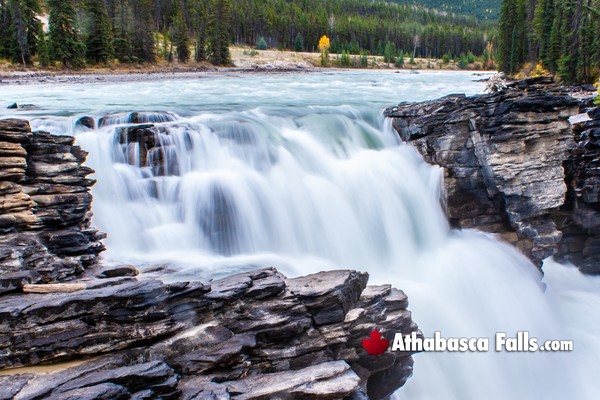
Athabasca Falls During November

Athabasca Falls During November

Athabasca Falls in November showcases one of Jasper National Park's most powerful waterfalls as it begins its transition into winter. While the flow is lower than during the peak snowmelt season, the Athabasca River continues to surge through the narrow limestone gorge with tremendous force, creating a dramatic display surrounded by snow-covered forests and mountain scenery.

Fresh snowfall often blankets the viewing areas, canyon walls, and surrounding evergreen trees, giving the falls a completely different appearance than in summer. White snow contrasts beautifully with the dark rock, rushing water, and icy formations that begin developing along the canyon walls and riverbanks.

One of the most impressive features during November is the combination of flowing water and early winter ice. Sections of the gorge begin to freeze while the powerful current continues carving its way through the canyon. Icicles form along cliff faces, and frozen mist creates delicate ice sculptures on rocks, trees, and railings near the viewing platforms.

The network of paved pathways and viewing platforms usually remains accessible, allowing visitors to experience several perspectives of the falls. Each viewpoint offers a different angle of the rushing water, sculpted canyon, and surrounding mountain landscape. Depending on snowfall, pathways may be icy, making winter footwear with good traction highly recommended.

The force of Athabasca Falls is especially remarkable because of the narrow canyon through which the river flows. Over thousands of years, the water has carved deep potholes, smooth rock formations, and winding channels into the limestone, creating one of the most impressive examples of erosion in the Canadian Rockies. Even in late autumn, the relentless power of the river remains evident.

November is an outstanding time for photography. Snow-covered trees, frozen spray, dramatic ice formations, and the contrast between moving water and winter landscapes create spectacular images. Early morning light often highlights the surrounding mountains, while fresh snowfall adds a pristine quality to every viewpoint.

Wildlife may still be seen in the surrounding forest during November. Elk, deer, bighorn sheep, coyotes, foxes, wolves, and a variety of birds remain active throughout the season. Most bears have entered their winter dens by late November, although visitors should always remain aware of wildlife while exploring the park.

Weather conditions can change quickly, with freezing temperatures, snowfall, and icy surfaces common throughout the month. Warm layered clothing, insulated boots, gloves, hats, and waterproof outerwear help make a visit more comfortable. Roads are generally maintained, but winter driving conditions should always be expected.

Many visitors combine Athabasca Falls with other nearby attractions during November, including Sunwapta Falls, the Icefields Parkway, and scenic viewpoints throughout Jasper National Park. The quieter season offers a more peaceful experience, with fewer people at the viewing platforms and excellent opportunities to appreciate the natural beauty of the area.

Athabasca Falls in November delivers a spectacular blend of rushing water, early winter ice, snow-covered forests, and rugged mountain scenery. The combination of powerful waterfalls, dramatic canyon landscapes, peaceful surroundings, and outstanding photography opportunities makes it one of the most rewarding natural attractions to visit during the transition into winter in Jasper National Park. Athabasca Falls

Banff Bow Lake in November

Bow Lake in November offers a peaceful introduction to winter in Banff National Park. Snow-covered peaks, partially frozen waters, exceptional mountain scenery, abundant wildlife, and outstanding photography opportunities make it one of the most memorable places to experience the quiet beauty of the Canadian Rockies before winter fully takes hold.
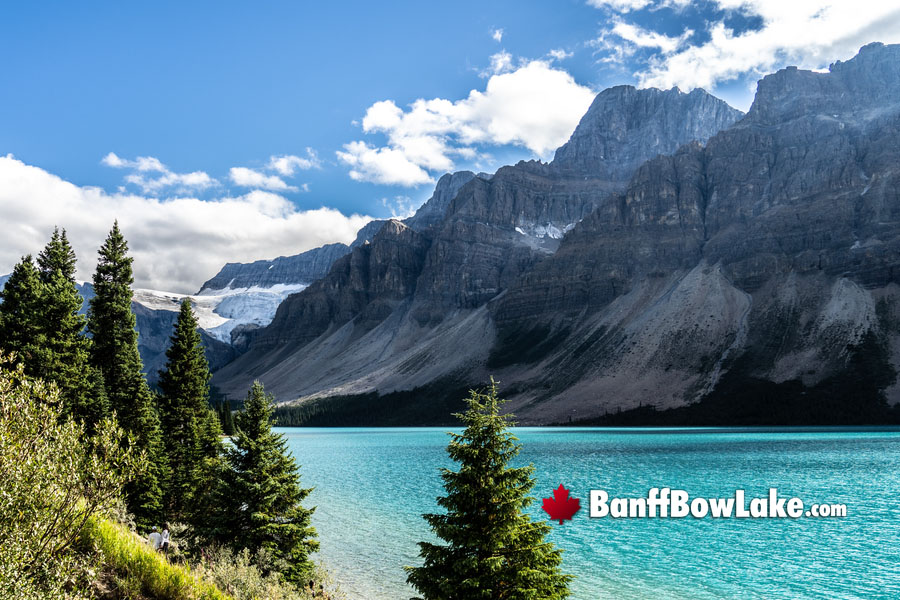
Banff Bow Lake in November

Banff Bow Lake in November

Bow Lake in November is one of the most peaceful and picturesque destinations along the Icefields Parkway. As winter begins to settle across the Canadian Rockies, the lake transforms into a quiet alpine landscape where snow-covered mountains, frosted forests, and crisp mountain air create an unforgettable experience. With very few visitors at this time of year, November offers a rare opportunity to enjoy one of Banff National Park's most scenic locations in complete tranquility.

During November, Bow Lake gradually transitions toward winter. Depending on temperatures and recent weather, portions of the lake may remain open while other areas begin developing a thin layer of ice. As the month progresses, the shoreline often becomes increasingly frozen, creating beautiful patterns of ice, snow, and crystal-clear water against the towering mountain backdrop.

The surrounding peaks become blanketed in fresh snow, dramatically changing the landscape from autumn colours to brilliant winter white. Crowfoot Mountain, Bow Peak, Mount Thompson, and other surrounding summits provide a spectacular setting that reflects beautifully on calm sections of the lake whenever conditions allow.

The shoreline is especially beautiful after an early snowfall. Snow-covered rocks, frozen grasses, and evergreen trees frame the lake, creating exceptional opportunities for photography. The peaceful atmosphere, combined with the dramatic mountain scenery, makes every viewpoint feel untouched and remote.

November is an excellent month for photographers. Soft winter light, colourful sunrises, dramatic cloud formations, and fresh snow combine to create stunning landscapes throughout the day. Calm mornings may produce beautiful reflections, while windy conditions can create dramatic waves beneath the snow-covered peaks.

Wildlife continues to inhabit the Bow Lake area during November. Visitors may encounter bighorn sheep, mountain goats on higher slopes, elk, deer, coyotes, foxes, and a variety of birds throughout the surrounding valleys. Wildlife is often easier to spot during the quieter shoulder season when there is less traffic and fewer people.

Weather conditions can change rapidly at this elevation. Snowfall, freezing temperatures, strong winds, and icy conditions are common throughout November. Warm layered clothing, insulated boots, gloves, hats, and winter outerwear are essential for anyone planning to spend time exploring the lakeshore.

Although longer hiking trails are generally covered in snow by November, short walks along the shoreline still allow visitors to appreciate the spectacular scenery. Care should be taken around icy rocks, snowy paths, and the lake's edge, as conditions can become slippery and unpredictable.

Bow Lake is also a rewarding stop while travelling the Icefields Parkway during late autumn. The drive itself is filled with snow-covered mountains, glaciers, frozen streams, and breathtaking viewpoints that showcase the beauty of the Canadian Rockies as they enter the winter season.

Bow Lake in November offers a peaceful introduction to winter in Banff National Park. Snow-covered peaks, partially frozen waters, exceptional mountain scenery, abundant wildlife, and outstanding photography opportunities make it one of the most memorable places to experience the quiet beauty of the Canadian Rockies before winter fully takes hold. Banff Bow Lake

Banff Wildlife During November

November is an outstanding month for wildlife viewing in the Canadian Rockies. Snow-covered mountains, peaceful valleys, and fewer visitors create ideal conditions for observing elk, bighorn sheep, deer, moose, coyotes, wolves, foxes, mountain goats, and a remarkable variety of birds. For anyone hoping to experience the natural beauty and wild character of the Rockies, November offers one of the most rewarding seasons of the year.
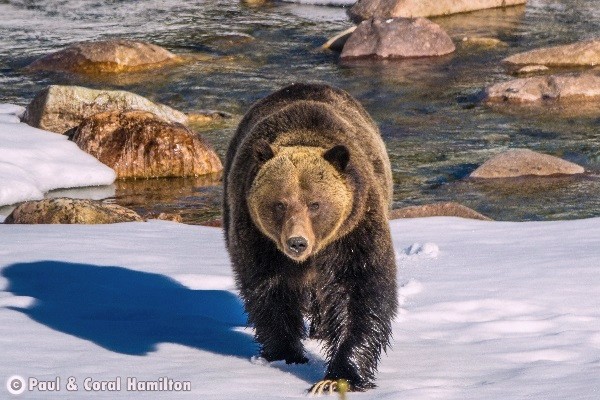
Banff Wildlife During November

Banff Wildlife During November

November is one of the best months to experience wildlife in the Canadian Rockies. As winter approaches, many animals become more visible while preparing for the colder months ahead. Snow-covered landscapes make it easier to spot wildlife, and the quieter season means there are fewer visitors competing for memorable sightings. From large mammals roaming open valleys to hardy birds remaining active throughout the winter, November offers exceptional opportunities for nature enthusiasts and photographers alike.

Elk are among the most commonly seen animals during November. Following the autumn rut, large herds often gather in open grasslands, river valleys, and near the communities of Banff and Jasper. Mature bulls have usually shed much of their aggressive behaviour and spend the month recovering while continuing to forage before the harshest winter weather arrives.

Bighorn sheep become increasingly active at lower elevations during November. Rams can often be seen gathering before or during the breeding season, displaying their impressive curled horns and occasionally engaging in dramatic head-butting contests. Rocky slopes, roadside cliffs, and open mountain valleys provide excellent opportunities to observe these iconic mountain animals.

Mule deer and white-tailed deer remain active throughout November as they enter their breeding season. Bucks are frequently seen travelling through forests and meadows in search of mates, while does gather in sheltered areas with good access to winter food sources. Their thick winter coats help them withstand the increasingly cold temperatures.

Moose are still present throughout many valleys, wetlands, and forested areas. Although the rut has ended, these impressive animals continue feeding on shrubs and willow stands before winter conditions become more severe. They are often seen near marshes, rivers, and quiet ponds where food remains available.

Coyotes remain highly active during November and are commonly spotted crossing open meadows, travelling along roadsides, or hunting in snow-covered fields. Their thick winter coats provide excellent insulation, and fresh snowfall often makes it easier to follow their tracks through the landscape.

Wolves continue hunting throughout the Canadian Rockies during November. Although sightings remain relatively rare, they become more active as colder weather arrives and prey animals move into lower elevations. Early mornings and late evenings provide the best chance of observing wolves travelling through broad valleys or forest openings.

Foxes are another highlight of the season. Their dense winter fur makes them especially striking against fresh snow, and they can occasionally be seen hunting rodents beneath the snowpack or exploring open areas in search of food. Their playful behaviour and bright colouring make them a favourite subject for photographers.

Most black bears and grizzly bears have entered their winter dens by November, particularly later in the month. While occasional sightings are still possible during early November, bear activity declines significantly as temperatures drop and natural food sources become scarce.

Mountain goats continue inhabiting steep alpine cliffs and rocky slopes throughout the colder months. Their thick white coats provide outstanding camouflage against snowy terrain, and visitors may occasionally spot them grazing on exposed vegetation or navigating seemingly impossible rock faces.

Birdlife remains surprisingly active during November. Bald eagles, golden eagles, ravens, Canada jays, Clark's nutcrackers, woodpeckers, chickadees, and several owl species continue thriving throughout the season. Frozen rivers, open water, and forested valleys attract a variety of species that provide excellent birdwatching opportunities.

Wildlife viewing during November requires patience and respect. Animals are conserving valuable energy for the coming winter, making it essential to observe them from a safe distance without disturbing their natural behaviour. Staying inside vehicles when appropriate, using binoculars or telephoto lenses, and never feeding wildlife helps protect both animals and visitors.

November is an outstanding month for wildlife viewing in the Canadian Rockies. Snow-covered mountains, peaceful valleys, and fewer visitors create ideal conditions for observing elk, bighorn sheep, deer, moose, coyotes, wolves, foxes, mountain goats, and a remarkable variety of birds. For anyone hoping to experience the natural beauty and wild character of the Rockies, November offers one of the most rewarding seasons of the year. Canadian Rockies Wildlife Wildlife On Video

Camping in Banff During November

Camping in Banff during November is best suited for well-prepared visitors who enjoy winter conditions and peaceful outdoor experiences. While services are limited and temperatures can be challenging, the rewards include uncrowded campgrounds, beautiful snow-covered scenery, outstanding wildlife viewing, and the chance to experience the Canadian Rockies during one of their most tranquil seasons.
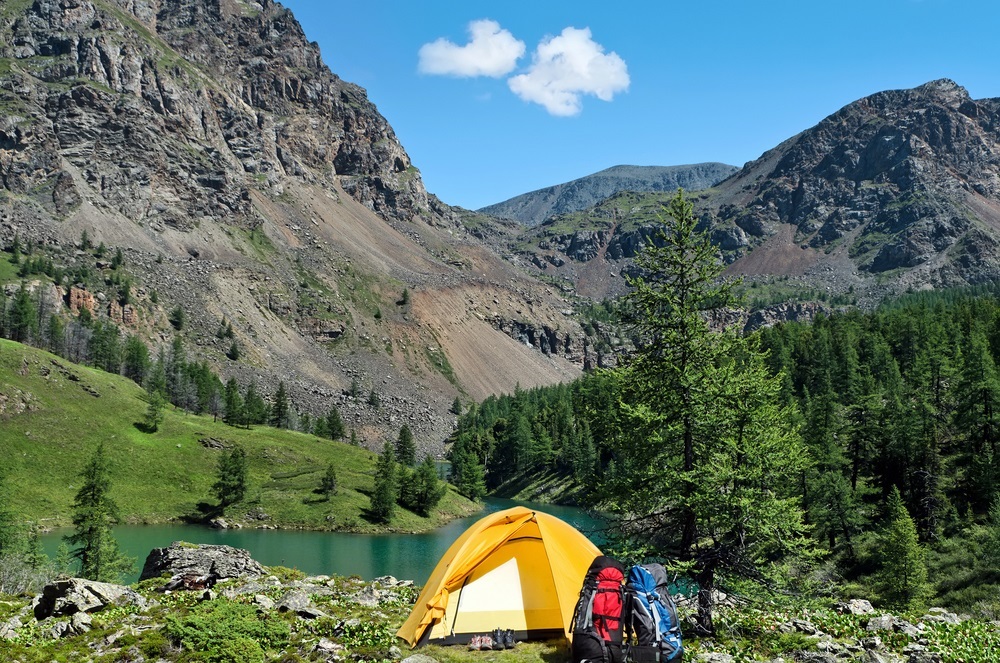
Camping in Banff During November

Camping in Banff During November

Camping in Banff during November is a true cold-weather adventure that offers a peaceful and uncrowded experience in the Canadian Rockies. By this time of year, winter has begun to settle into the mountains, with snow covering many trails, forests, and campgrounds. Visitors who enjoy solitude, crisp mountain air, and spectacular winter scenery will find November to be one of the quietest times to experience Banff National Park.

Most campgrounds in Banff National Park close for the season by November as water systems are winterized and facilities are prepared for the colder months. However, a limited number of campgrounds may remain available with reduced services, allowing experienced campers to enjoy the park during the early winter season. Campers should always confirm which campgrounds are open before planning their trip, as seasonal operations vary depending on weather and maintenance schedules.

Winter camping requires considerably more preparation than camping during the summer months. Overnight temperatures frequently fall well below freezing, and snowfall can occur at any time. A four-season tent, an insulated sleeping pad, a cold-weather sleeping bag, and warm layered clothing are essential for staying comfortable throughout the night.

Campgrounds that remain open during November generally operate with fewer services than during the summer. Water taps may be turned off, some washroom facilities may be limited, and food services are often unavailable. Campers should arrive with plenty of drinking water, food, cooking supplies, and everything needed for self-sufficient camping.

One of the greatest rewards of camping in November is the peaceful atmosphere. Without the busy crowds of summer, visitors can enjoy quiet forests, snow-covered mountain landscapes, and star-filled skies. The silence of the Rockies during early winter creates an entirely different experience, allowing campers to appreciate the natural beauty of Banff in a calm and relaxing setting.

Wildlife remains active throughout November, although animal behaviour changes as winter approaches. Elk, deer, bighorn sheep, coyotes, foxes, and a variety of birds are commonly seen around the park. Most bears have entered their winter dens by late November, but proper food storage and campsite cleanliness remain important whenever camping in bear country.

November weather can change quickly. Bright sunshine may be followed by snowfall, strong winds, or rapidly falling temperatures within a few hours. Dressing in multiple layers, carrying waterproof outerwear, insulated gloves, warm hats, and extra dry clothing helps campers remain comfortable in changing mountain conditions.

Camping during November also provides convenient access to many of Banff's scenic winter attractions. Visitors can enjoy peaceful walks around Vermilion Lakes, Lake Minnewanka, Bow Falls, or the Banff townsite while taking in snow-covered mountain views. Scenic drives through the Bow Valley and along portions of the Icefields Parkway reveal spectacular winter landscapes with far fewer visitors than during the peak travel season.

Nighttime camping can be especially memorable. Clear November evenings often reveal brilliant star-filled skies above the snow-covered mountains, creating excellent opportunities for night photography and quiet evenings around a warm meal. The colder temperatures and reduced humidity frequently result in exceptionally clear views of the surrounding peaks and constellations.

Camping in Banff during November is best suited for well-prepared visitors who enjoy winter conditions and peaceful outdoor experiences. While services are limited and temperatures can be challenging, the rewards include uncrowded campgrounds, beautiful snow-covered scenery, outstanding wildlife viewing, and the chance to experience the Canadian Rockies during one of their most tranquil seasons. Banff Camping

Hiking in November

Hiking in Banff during November offers a peaceful introduction to winter in the Canadian Rockies. With proper preparation, realistic route selection, and respect for changing mountain conditions, visitors can enjoy beautiful landscapes, exceptional wildlife viewing, and some of the most tranquil hiking experiences of the entire year.
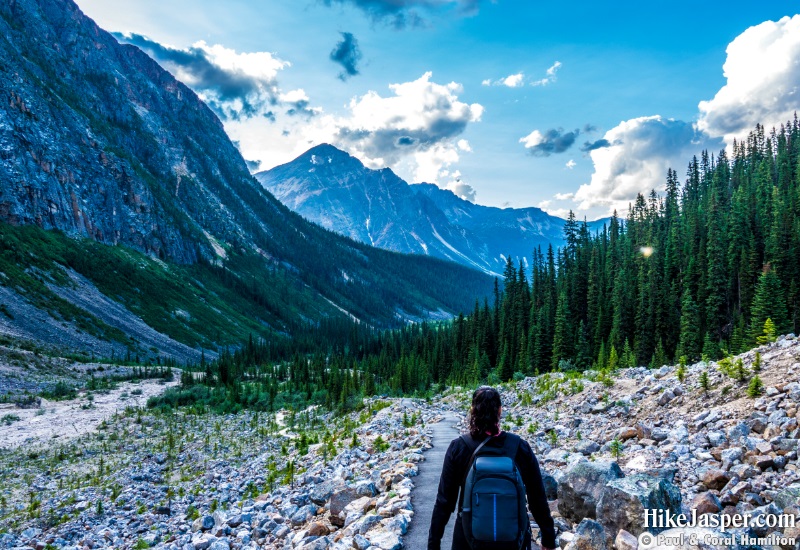
Hiking in November

Hiking in November

Hiking in Banff during November offers a unique opportunity to experience the Canadian Rockies as they transition into winter. Snow begins covering the mountain slopes, forests become quiet, and popular trails are far less crowded than during the summer months. The combination of crisp mountain air, snow-covered scenery, and peaceful surroundings makes November a rewarding time for those who are prepared for changing conditions.

Trail conditions vary considerably throughout the month. Lower elevation paths may remain mostly clear during early November, while higher elevation routes often become snow-covered or icy. As the month progresses, winter conditions become more widespread, and many alpine trails are no longer suitable for casual hiking due to deep snow, limited daylight, and rapidly changing weather.

Lower elevation hikes are generally the best choice during November. Trails around the Banff townsite, Vermilion Lakes, Bow Falls, Fenland Trail, Sundance Canyon, and Johnston Canyon often remain accessible, although snow and ice should always be expected. These hikes provide beautiful mountain scenery without requiring travel into more challenging alpine terrain.

Higher elevation destinations, including mountain summits and exposed ridgelines, become much more demanding during November. Deep snow, icy slopes, hidden trail markers, and avalanche terrain can create hazardous conditions. Many popular summer hiking routes require winter travel experience, appropriate equipment, and careful route planning.

The scenery throughout Banff National Park is spectacular during November. Fresh snowfall blankets the forests and mountain peaks, rivers continue flowing through icy landscapes, and frozen lakeshores begin forming as winter approaches. Every hike offers opportunities to enjoy dramatic mountain views, quiet forests, and the peaceful atmosphere that defines the season.

Wildlife remains active during November, making hiking especially rewarding for nature enthusiasts. Elk, deer, bighorn sheep, coyotes, foxes, and a variety of birds are commonly seen along trails and open valleys. Most bears have entered their winter dens by late November, but hikers should continue to remain aware of wildlife and practice safe outdoor habits.

Weather conditions can change quickly at any time of day. Bright sunshine may give way to snowfall, strong winds, or freezing temperatures within a matter of hours. Dressing in warm layers, carrying waterproof clothing, insulated gloves, hats, extra food, and plenty of water helps ensure a safer and more comfortable hiking experience.

Proper footwear becomes especially important during November. Waterproof hiking boots with good traction are highly recommended, and traction devices for icy trails can greatly improve stability. Trekking poles also provide additional balance on snow-covered paths, particularly when descending slippery sections.

Shorter daylight hours mean hikers should begin their adventures earlier in the day and allow plenty of time to return before sunset. Carrying a headlamp, even for shorter hikes, is a sensible precaution in case weather or trail conditions slow your progress.

November is also an excellent month for photography while hiking. Snow-covered mountain peaks, frozen waterfalls, frosted forests, colourful sunrises, and dramatic cloud formations create stunning scenes throughout Banff National Park. The quieter trails allow visitors to stop, enjoy the scenery, and capture memorable images without the crowds often found during the summer season.

Hiking in Banff during November offers a peaceful introduction to winter in the Canadian Rockies. With proper preparation, realistic route selection, and respect for changing mountain conditions, visitors can enjoy beautiful landscapes, exceptional wildlife viewing, and some of the most tranquil hiking experiences of the entire year. Hiking

Icefields Parkway During November

The Icefields Parkway in November delivers an unforgettable journey through one of Canada's most spectacular mountain landscapes. Snow-covered peaks, glaciers, waterfalls, abundant wildlife, peaceful surroundings, and exceptional photography opportunities make this one of the finest times of year to experience the natural beauty of the Canadian Rockies, provided visitors are well prepared for winter driving and changing mountain conditions.
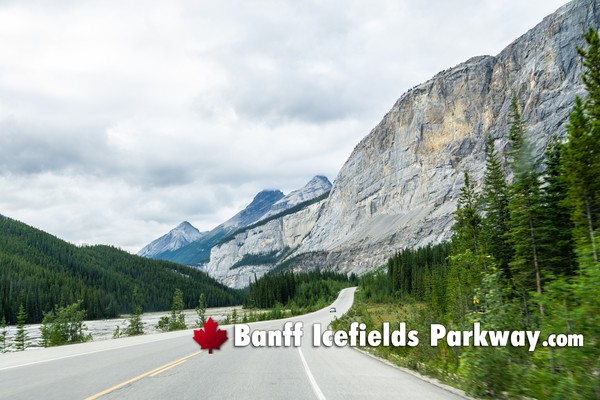
Icefields Parkway During November

Icefields Parkway During November

The Icefields Parkway in November offers one of the most spectacular winter driving experiences in the Canadian Rockies. Stretching between Lake Louise and Jasper, this world-famous highway transforms into a landscape of snow-covered peaks, frozen waterfalls, glaciers, evergreen forests, and quiet mountain valleys. With the busy summer season over, visitors can experience the parkway's remarkable scenery in a much more peaceful setting.

November marks the beginning of true winter along much of the route. Higher elevations receive regular snowfall, and many mountain peaks remain covered in fresh snow throughout the month. The contrast between white mountains, dark evergreen forests, and clear blue skies creates breathtaking scenery around nearly every bend.

Driving conditions can vary significantly from day to day. Sunny, dry pavement may quickly give way to snow-covered roads, icy sections, or blowing snow at higher elevations. Winter tires are strongly recommended, and drivers should allow extra travel time while remaining prepared for rapidly changing mountain weather.

Many of the parkway's most famous viewpoints become even more beautiful during November. Snow-covered valleys, frozen streams, glaciers, and dramatic mountain ranges create unforgettable panoramic views. Popular roadside stops remain excellent places to admire the landscape, although visitors should expect snow and icy walking surfaces around parking areas and viewpoints.

Waterfalls throughout the Icefields Parkway begin their seasonal transformation into remarkable displays of flowing water and ice. Athabasca Falls and Sunwapta Falls continue rushing through their canyons while ice gradually forms along cliff faces, riverbanks, and surrounding rocks, creating spectacular early winter scenery.

Glaciers become even more striking against their snow-covered surroundings. The Columbia Icefield dominates the landscape with its immense fields of ice extending across multiple mountain peaks. Although many summer attractions have concluded for the season, the glacier remains one of the parkway's most impressive natural landmarks and a highlight of any November drive.

Wildlife viewing continues to be one of the greatest attractions during November. Elk, bighorn sheep, mountain goats, deer, coyotes, wolves, foxes, and a variety of birds remain active throughout the region. Fresh snowfall often makes wildlife easier to spot against the landscape, particularly during the early morning and late afternoon.

The quieter season provides outstanding opportunities for photography. Snow-covered mountains, dramatic skies, frozen lakes, frosted forests, and low-angle sunlight create ideal conditions for capturing the beauty of the Canadian Rockies. Sunrise and sunset often produce vivid colours that illuminate the surrounding peaks.

Visitors should be prepared for limited seasonal services along the parkway. Many summer-operated attractions, restaurants, and visitor facilities reduce their hours or close for the winter, making it important to carry extra food, water, warm clothing, and a fully fueled vehicle before setting out.

Despite the arrival of winter, numerous scenic locations remain well worth visiting. Bow Lake, Peyto Lake, Saskatchewan River Crossing, the Columbia Icefield, Athabasca Falls, Sunwapta Falls, and countless roadside viewpoints continue to showcase the incredible beauty of the Canadian Rockies, each offering its own unique perspective on the changing season.

The Icefields Parkway in November delivers an unforgettable journey through one of Canada's most spectacular mountain landscapes. Snow-covered peaks, glaciers, waterfalls, abundant wildlife, peaceful surroundings, and exceptional photography opportunities make this one of the finest times of year to experience the natural beauty of the Canadian Rockies, provided visitors are well prepared for winter driving and changing mountain conditions. Banff Icefields Parkway

Johnston Canyon During November

Johnston Canyon during November offers a remarkable blend of flowing waterfalls, emerging ice formations, snow-covered forests, and tranquil mountain scenery. The combination of accessible trails, spectacular natural beauty, outstanding photography opportunities, and the peaceful atmosphere of early winter makes it one of Banff National Park's finest destinations during the transition into the colder months.
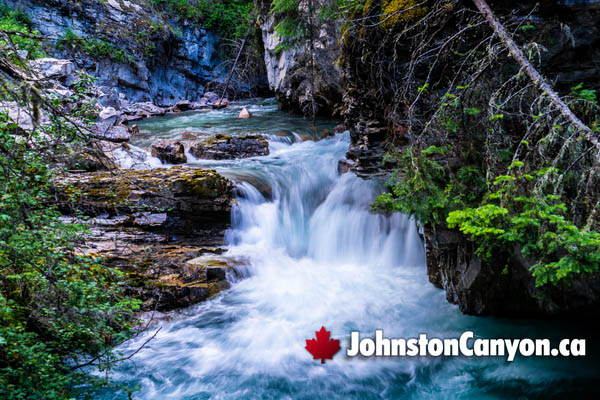
Johnston Canyon During November

Johnston Canyon During November

Johnston Canyon in November offers a beautiful transition between autumn and winter, making it one of Banff National Park's most rewarding cold-season destinations. As temperatures drop, snow begins covering the canyon walls, evergreen forests, and walking trails, creating a peaceful atmosphere that is very different from the busy summer months. Visitors can enjoy the sound of rushing water alongside the first signs of winter as the canyon gradually transforms into a frozen landscape.

The trail to Johnston Canyon generally remains accessible throughout November, although snow and ice become increasingly common as the month progresses. The well-maintained pathway, steel catwalks, and bridges continue to provide access to the Lower Falls and Upper Falls, but winter footwear with good traction is strongly recommended. Icy sections are common, particularly in shaded areas where sunlight rarely reaches the trail.

The Lower Falls are especially impressive during November. Water continues flowing through the narrow canyon while delicate ice formations begin appearing along the surrounding cliffs and rock walls. The combination of rushing water, snow-covered trees, and growing icicles creates one of the park's most photogenic natural scenes.

The Upper Falls become even more dramatic as winter begins to take hold. Large icicles start forming beside the waterfall, and sections of the canyon begin freezing while the powerful water continues carving through the limestone. Every snowfall changes the appearance of the falls, making each visit unique throughout the month.

The elevated catwalks built into the canyon walls provide spectacular viewpoints over the creek below. Walking above the rushing water while surrounded by towering cliffs, snow-covered evergreens, and early winter ice offers a memorable experience unlike any other trail in Banff National Park.

November is an outstanding month for photography. Fresh snow, frozen spray, dramatic canyon walls, crystal-clear water, and soft winter light combine to create exceptional images. Morning visits often provide the quietest conditions and beautiful lighting that highlights the textures of the canyon and surrounding forest.

Wildlife remains active around Johnston Canyon during November. Elk, deer, coyotes, foxes, and a variety of birds are occasionally seen near the trail or along the Bow Valley Parkway. Most bears have entered their winter dens by late November, but visitors should always remain aware of wildlife while hiking.

Weather conditions can change quickly throughout the month. Snowfall, freezing temperatures, and icy walkways are all common. Dressing in warm layers, wearing insulated waterproof boots, and carrying gloves, hats, and waterproof outerwear helps ensure a comfortable visit. Traction devices for footwear are highly recommended, especially after fresh snowfall or during freezing conditions.

One of the greatest advantages of visiting Johnston Canyon in November is the reduced number of visitors. The quieter trails allow hikers to fully appreciate the peaceful surroundings, listen to the flowing creek, and enjoy uninterrupted views of the canyon without the crowds that are common during the summer season.

Johnston Canyon during November offers a remarkable blend of flowing waterfalls, emerging ice formations, snow-covered forests, and tranquil mountain scenery. The combination of accessible trails, spectacular natural beauty, outstanding photography opportunities, and the peaceful atmosphere of early winter makes it one of Banff National Park's finest destinations during the transition into the colder months. Johnston Canyon

Lake Louise in November

Lake Louise in November offers a peaceful and unforgettable introduction to winter in the Canadian Rockies. Snow-covered mountains, the frozen lake, glacier views, exceptional photography opportunities, and the calm atmosphere combine to create one of Banff National Park's most memorable seasonal experiences.

Lake Louise in November

Lake Louise in November

Lake Louise in November marks the beginning of winter in Banff National Park, as the famous turquoise lake transforms into a spectacular alpine landscape of snow-covered mountains, frozen shorelines, and peaceful forests. The busy summer crowds have disappeared, allowing visitors to experience one of Canada's most iconic destinations in a quieter and more relaxed atmosphere.

During November, Lake Louise gradually freezes as colder temperatures settle into the valley. Early in the month, portions of the lake may remain open while ice forms along the shoreline. As the weeks progress, the frozen surface expands, creating a beautiful winter scene beneath the towering peaks and the magnificent Victoria Glacier.

Fresh snowfall enhances the scenery throughout the area. Snow blankets the surrounding forests, mountain slopes, and lakeshore, creating a striking contrast against the glacier and rugged rock faces. The peaceful setting is ideal for visitors looking to experience the natural beauty of the Canadian Rockies without the crowds of the peak travel season.

The lakeshore remains one of the best places to enjoy panoramic mountain views. Walking along the shoreline allows visitors to appreciate the dramatic setting while taking in the crisp mountain air and the quiet sounds of early winter. Depending on snowfall and ice conditions, pathways may be covered in snow or become icy, making sturdy winter footwear a good choice.

November is an outstanding month for photography. Snow-covered peaks, frozen shoreline, dramatic clouds, colourful sunrises, and soft afternoon light create spectacular opportunities to capture the beauty of Lake Louise. Calm days often provide beautiful reflections wherever open water remains, while fresh snow adds texture and contrast to every scene.

The nearby hiking trails begin transitioning to winter conditions during November. Lower elevation walks may remain accessible with proper footwear, while higher routes, including those leading toward alpine teahouses and mountain passes, are typically covered in snow and may require winter experience and equipment. Visitors should always assess trail conditions carefully before setting out.

Wildlife continues to be active throughout the Lake Louise area. Elk, deer, coyotes, foxes, and a variety of birds are commonly seen around the valley and surrounding forests. Mountain goats and bighorn sheep may also be spotted on nearby slopes. Most bears have entered their winter dens by late November, although visitors should always remain aware of wildlife while exploring the park.

November weather is highly variable, with temperatures frequently dropping below freezing. Snowfall, icy conditions, and occasional winter storms are all possible, especially later in the month. Dressing in warm layers, insulated boots, gloves, hats, and waterproof outerwear helps ensure a comfortable visit regardless of changing weather.

Lake Louise also serves as an excellent base for exploring nearby attractions during November. The Icefields Parkway, Bow Lake, Peyto Lake, Johnston Canyon, and other scenic locations showcase the beauty of the Rockies as winter begins to take hold, making the area ideal for day trips and sightseeing.

Lake Louise in November offers a peaceful and unforgettable introduction to winter in the Canadian Rockies. Snow-covered mountains, the frozen lake, glacier views, exceptional photography opportunities, and the calm atmosphere combine to create one of Banff National Park's most memorable seasonal experiences. Banff Lake Louise

Moraine Lake in November

Moraine Lake in November remains a symbol of the Canadian Rockies' rugged winter wilderness. While the lake is generally inaccessible because of seasonal road closures, its snow-covered valley, towering mountain scenery, and pristine alpine environment continue to represent the spectacular beauty of Banff National Park during the early winter season.
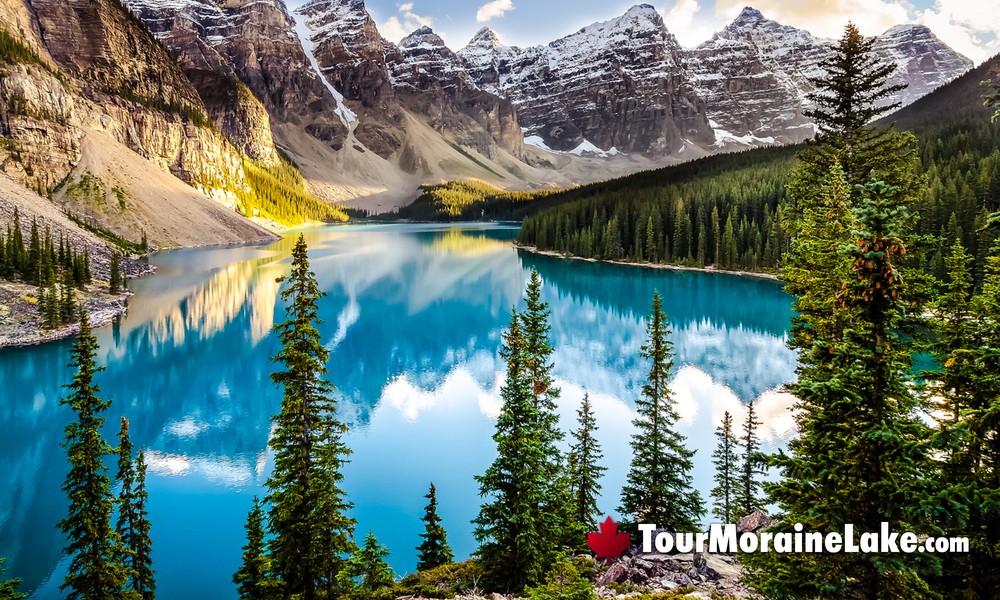
Moraine Lake in November

Moraine Lake in November

Moraine Lake in November is a place of remarkable winter beauty, although the lake itself is generally inaccessible to visitors at this time of year. Located high in the Valley of the Ten Peaks, Moraine Lake experiences heavy snowfall early in the season, and the access road closes long before November as winter conditions become established. While you cannot drive to the lake during this month, its legendary scenery remains one of the defining landscapes of the Canadian Rockies.

By November, deep snow blankets the Valley of the Ten Peaks, transforming the area into a pristine alpine wilderness. The towering mountain peaks, dense evergreen forests, and shoreline are covered in fresh snow, creating a breathtaking winter landscape that remains largely untouched throughout the season.

The famous turquoise waters of Moraine Lake begin their transition into winter as freezing temperatures take hold. Snow and ice gradually replace the vibrant summer colours, giving the valley an entirely different character. The peaceful silence of the snow-covered landscape highlights the remote beauty of this iconic destination.

Because the Moraine Lake Road is closed to public vehicles and seasonal shuttle services no longer operate, visitors are generally unable to reach the lake during November. The closure helps protect the area during winter while reducing the risks associated with heavy snowfall, avalanche terrain, and difficult mountain conditions.

Although the lake is not accessible, the surrounding Lake Louise area continues to provide outstanding opportunities to experience the beauty of Banff National Park. Snow-covered mountains, frozen lakes, scenic viewpoints, and quiet forests allow visitors to enjoy the arrival of winter while exploring nearby destinations.

Wildlife remains active throughout the surrounding valleys during November. Elk, deer, coyotes, foxes, bighorn sheep, and a variety of birds continue preparing for winter in lower elevations. Most bears have entered their winter dens by late November, although wildlife should always be given plenty of space whenever encountered.

November weather in the Valley of the Ten Peaks is typically cold and unpredictable. Heavy snowfall, freezing temperatures, strong winds, and deep snow become common, particularly at higher elevations. These conditions contribute to the seasonal closure of the access road and the remote nature of the area throughout the winter months.

Photographers often appreciate the dramatic winter landscapes found throughout the surrounding region. Snow-covered peaks, frosted forests, colourful winter skies, and the peaceful atmosphere create memorable images even without direct access to Moraine Lake itself. The nearby Lake Louise area offers numerous spectacular viewpoints that capture the beauty of the Canadian Rockies during early winter.

For visitors planning a future trip, Moraine Lake reopens seasonally after winter conditions improve and access can be provided safely. During the warmer months, the lake once again becomes one of the most photographed destinations in Canada, famous for its brilliant blue water and the towering peaks that surround it.

Moraine Lake in November remains a symbol of the Canadian Rockies' rugged winter wilderness. While the lake is generally inaccessible because of seasonal road closures, its snow-covered valley, towering mountain scenery, and pristine alpine environment continue to represent the spectacular beauty of Banff National Park during the early winter season. Moraine Lake

November at Peyto Lake

Peyto Lake in November is a stunning destination that showcases the peaceful arrival of winter in the Canadian Rockies. Snow-covered mountains, a partially frozen lake, exceptional photography opportunities, abundant wildlife, and the quiet beauty of the Icefields Parkway combine to make it one of Banff National Park's most memorable late-autumn experiences.
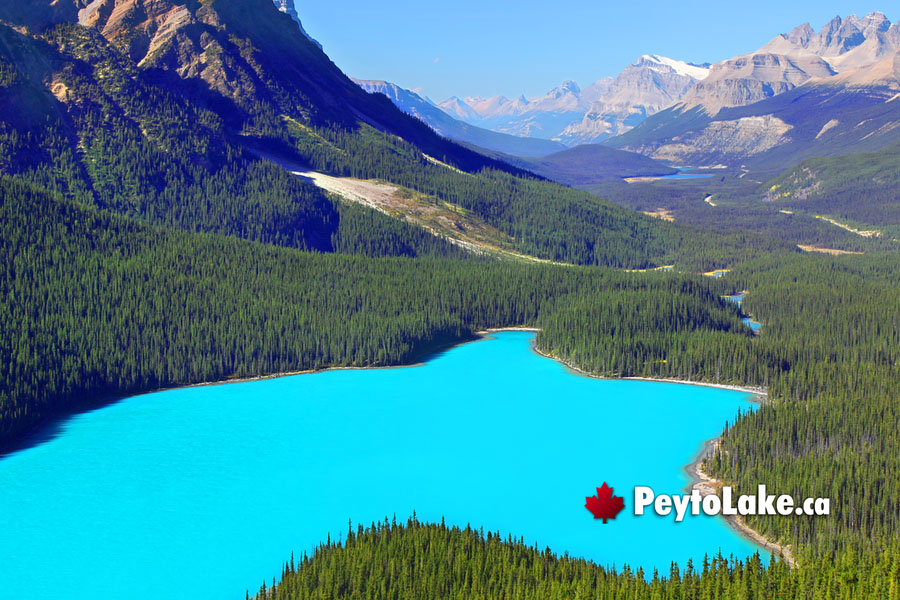
November at Peyto Lake

November at Peyto Lake

Peyto Lake in November offers a spectacular glimpse into the arrival of winter in Banff National Park. Located along the Icefields Parkway, this world-famous viewpoint becomes a peaceful mountain destination as fresh snow blankets the surrounding peaks, forests, and valleys. With far fewer visitors than during the summer months, November provides an opportunity to enjoy one of the Canadian Rockies' most iconic landscapes in a quiet and unhurried setting.

By November, Peyto Lake has usually begun its transformation from its famous turquoise waters to a frozen alpine lake. Depending on weather conditions, portions of the lake may already be covered in ice, while remaining open water reflects the surrounding snow-covered mountains. As the month progresses, the frozen surface expands, creating an entirely different but equally impressive landscape.

The elevated viewpoint continues to provide breathtaking panoramic views over the lake and the surrounding mountain ranges. Snow-covered peaks, dense evergreen forests, and the winding Mistaya Valley create an unforgettable backdrop that stretches across the heart of Banff National Park. Clear November days often provide exceptional visibility, allowing visitors to appreciate the vastness of the surrounding wilderness.

Fresh snowfall dramatically enhances the scenery. The contrast between white mountain slopes, dark forests, rocky cliffs, and the icy lake below creates stunning views in every direction. Even after a light snowfall, the landscape takes on a peaceful and untouched appearance that is rarely experienced during the busy summer season.

November is an excellent month for photography. The soft angle of the sun, fresh snow, dramatic cloud formations, and occasional mist rising from the valleys create beautiful lighting throughout the day. Early mornings often provide crisp, clear conditions, while sunsets can paint the surrounding peaks in warm shades of gold, pink, and orange.

Wildlife remains active throughout the Peyto Lake area during November. Bighorn sheep, mountain goats, elk, deer, coyotes, foxes, and a variety of birds may be seen along the Icefields Parkway or on nearby mountain slopes. The quieter season and snow-covered landscape often make wildlife easier to spot.

Weather conditions at Peyto Lake can change rapidly. Freezing temperatures, snowfall, strong winds, and icy walkways are common throughout November. Warm layered clothing, insulated boots with good traction, gloves, hats, and waterproof outerwear are strongly recommended for anyone visiting the viewpoint.

The drive to Peyto Lake is part of the experience. The Icefields Parkway becomes a breathtaking winter route lined with glaciers, frozen waterfalls, snow-covered forests, and towering mountain peaks. Visitors should be prepared for winter driving conditions and allow extra time to travel safely through the mountains.

Although longer hiking trails in the area are generally covered in snow by November, the viewpoint remains one of the most rewarding roadside stops in Banff National Park. A short walk leads to one of the most recognizable vistas in the Canadian Rockies, offering spectacular views without requiring a lengthy hike.

Peyto Lake in November is a stunning destination that showcases the peaceful arrival of winter in the Canadian Rockies. Snow-covered mountains, a partially frozen lake, exceptional photography opportunities, abundant wildlife, and the quiet beauty of the Icefields Parkway combine to make it one of Banff National Park's most memorable late-autumn experiences. Peyto Lake

Spirit Island During November

Spirit Island during November remains one of the Canadian Rockies' most iconic yet inaccessible destinations. While the island cannot be visited until the return of the boat cruise season, the surrounding snow-covered mountains, pristine forests, quiet wilderness, and breathtaking scenery continue to capture the timeless beauty that has made Spirit Island famous around the world.
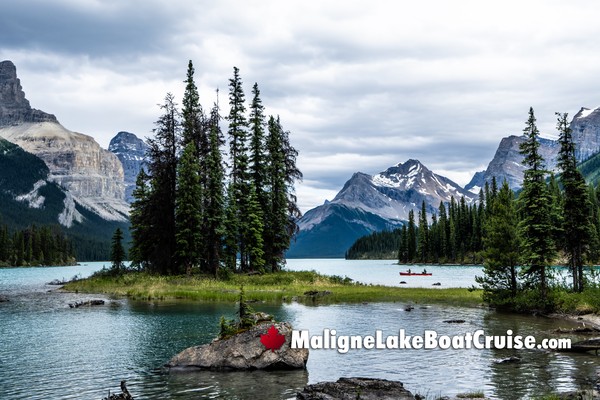
Spirit Island During November

Spirit Island During November

Spirit Island during November becomes part of one of the most remote and tranquil winter landscapes in Jasper National Park. Located deep within Maligne Lake, the famous island is generally inaccessible at this time of year because the Maligne Lake Boat Cruise has concluded for the season. Although visitors cannot reach the island, its snow-covered setting continues to symbolize the untouched beauty of the Canadian Rockies.

By November, winter has firmly begun to settle across the Maligne Valley. Fresh snow blankets the surrounding mountain peaks, evergreen forests, and rocky shorelines, transforming the landscape into a peaceful alpine wilderness. The dramatic Hall of the Gods mountain range provides an unforgettable backdrop, creating one of the most recognizable scenes in the Canadian Rockies.

The waters of Maligne Lake gradually begin their transition toward winter. Early in the month, much of the lake may remain open, while thin ice starts forming along sheltered bays and shorelines. As temperatures continue to fall, the lake slowly prepares for its seasonal freeze, giving the landscape a constantly changing appearance throughout November.

Because the boat cruise no longer operates, Spirit Island cannot be reached by visitors during November. The island sits quietly in the centre of a vast wilderness, surrounded by snow-covered peaks and forests. This seasonal closure helps preserve the area's natural environment while winter conditions become more severe.

Although Spirit Island itself is inaccessible, the journey to Maligne Lake remains worthwhile. The drive along Maligne Lake Road offers spectacular mountain scenery, frozen creeks, snow-covered forests, and frequent opportunities to observe wildlife. The peaceful atmosphere makes the drive one of the highlights of a November visit to Jasper National Park.

Wildlife continues to be active throughout the Maligne Valley during November. Elk, moose, mule deer, bighorn sheep, coyotes, foxes, wolves, and a variety of birds are often seen along the roadway and in nearby meadows. Most bears have entered their winter dens by late November, but visitors should always remain alert while travelling through the park.

November weather can change rapidly. Snowfall, freezing temperatures, icy roads, and strong winds are common throughout the month. Visitors should dress in warm layers and be prepared for winter driving conditions, especially during early mornings and after fresh snowfall.

The area surrounding Maligne Lake offers exceptional opportunities for photography. Snow-covered forests, dramatic mountain ridges, calm stretches of open water, and fresh snowfall create beautiful compositions throughout the day. The soft light of late autumn and early winter adds depth and colour to the surrounding landscape.

The peaceful nature of November is one of the area's greatest attractions. With very few visitors travelling to Maligne Lake, the valley becomes remarkably quiet, allowing visitors to experience the wilderness in a way that is rarely possible during the busy summer months.

Spirit Island during November remains one of the Canadian Rockies' most iconic yet inaccessible destinations. While the island cannot be visited until the return of the boat cruise season, the surrounding snow-covered mountains, pristine forests, quiet wilderness, and breathtaking scenery continue to capture the timeless beauty that has made Spirit Island famous around the world. Spirit Island

Sunwapta Falls in November

Sunwapta Falls in November is a stunning destination where powerful waterfalls meet the beauty of early winter. Snow-covered forests, frozen canyon walls, rushing water, peaceful surroundings, exceptional wildlife viewing, and remarkable photography opportunities make it one of Jasper National Park's finest natural attractions during the transition into the winter season.
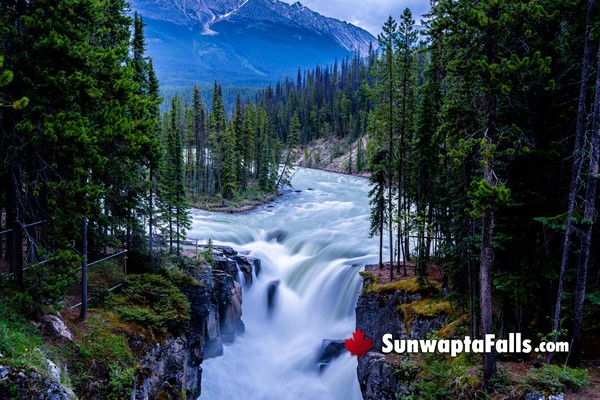
Sunwapta Falls in November

Sunwapta Falls in November

Sunwapta Falls in November offers a spectacular early winter experience in Jasper National Park. As snow begins covering the surrounding forests and mountain landscapes, the powerful waterfall continues carving through its narrow canyon, creating a dramatic contrast between rushing water, frozen rock, and fresh snow. The quieter season allows visitors to enjoy one of the Canadian Rockies' most impressive waterfalls in a peaceful setting.

The Athabasca River continues flowing with considerable force throughout November, although water levels are lower than during the summer snowmelt season. The narrowing of the river at Sunwapta Falls concentrates the flow, producing an impressive waterfall that remains powerful even as winter approaches. The sound of rushing water echoes through the canyon, adding to the dramatic atmosphere.

One of the highlights of visiting in November is the gradual formation of ice around the falls. Icicles begin hanging from canyon walls, frozen spray coats nearby rocks and trees, and delicate ice formations develop along the edges of the river. The combination of flowing water and growing ice creates a beautiful scene that changes throughout the month as temperatures continue to fall.

Fresh snowfall transforms the surrounding landscape into a classic Canadian Rockies winter scene. Evergreen forests become covered in snow, rocky cliffs turn brilliant white, and the canyon takes on a peaceful beauty that contrasts with the power of the waterfall below.

The main viewing platforms continue to provide outstanding views of the falls and canyon. Visitors can safely admire the waterfall from several perspectives while appreciating the impressive erosion that has shaped the surrounding rock over thousands of years. Snow and ice may make pathways slippery, so sturdy winter footwear with good traction is highly recommended.

November is an excellent month for photography. Snow-covered trees, frozen mist, dramatic canyon walls, and the contrast between rushing water and early winter ice create exceptional images. The soft light of late autumn and early winter often enhances the colours and textures throughout the landscape.

Wildlife remains active throughout the surrounding forests during November. Elk, deer, bighorn sheep, coyotes, foxes, wolves, and a variety of birds may be seen along the Icefields Parkway and nearby valleys. Most bears have entered their winter dens by late November, although visitors should always remain aware of wildlife while exploring the park.

Weather conditions can change quickly throughout November. Snowfall, freezing temperatures, icy roads, and strong winds are all common, particularly following winter storms. Dressing in warm layers, insulated boots, gloves, hats, and waterproof outerwear helps ensure a comfortable visit regardless of changing conditions.

Sunwapta Falls is also one of the most rewarding stops along the Icefields Parkway during November. Many visitors combine the waterfall with nearby attractions such as Athabasca Falls, the Columbia Icefield, and numerous scenic viewpoints, creating an unforgettable day of winter sightseeing through the Canadian Rockies.

Sunwapta Falls in November is a stunning destination where powerful waterfalls meet the beauty of early winter. Snow-covered forests, frozen canyon walls, rushing water, peaceful surroundings, exceptional wildlife viewing, and remarkable photography opportunities make it one of Jasper National Park's finest natural attractions during the transition into the winter season. Sunwapta Falls

Canadian Rockies Winter Wildlife Tour - Banff in November

Learn of the steps taken in Canada's National Parks that ensure wildlife survival in the park, and gain insight into Banff's rich ecology, history and geology. This is a must for wildlife and nature lovers.


Canadian Rockies Winter Wildlife Tour - Banff in November

Book Banff's Wildlife Tour

Banff, Alberta Map

Banff National Park

Contact Banff November.com

Click to Contact Us